 6145 N Northwest Hwy
Dorsal Root Ganglion (DRG) Stimulation
- Pain We Treat
Dorsal Root Ganglion (DRG) Stimulation Specialist
Imagine suffering from chronic pain, such as Complex Regional Pain Syndrome (CRPS), that traditional treatments fail to relieve. Daily activities become unbearable and hope feels out of reach. Fortunately, the Chicago Institute for Neuropathic Pain (CINP) offers a revolutionary solution: Dorsal Root Ganglion Stimulation (DRG). This advanced therapy provides significant pain relief, even when other treatments have failed.
- DRG
What is Dorsal Root Ganglion Stimulation (DRG)?
DRG stimulation is a neurostimulation therapy that targets the dorsal root ganglion to relieve chronic pain. Similar to spinal cord stimulation, it uses electrical pulses to block pain signals and is more effective for certain pain types, particularly in the lower extremities.
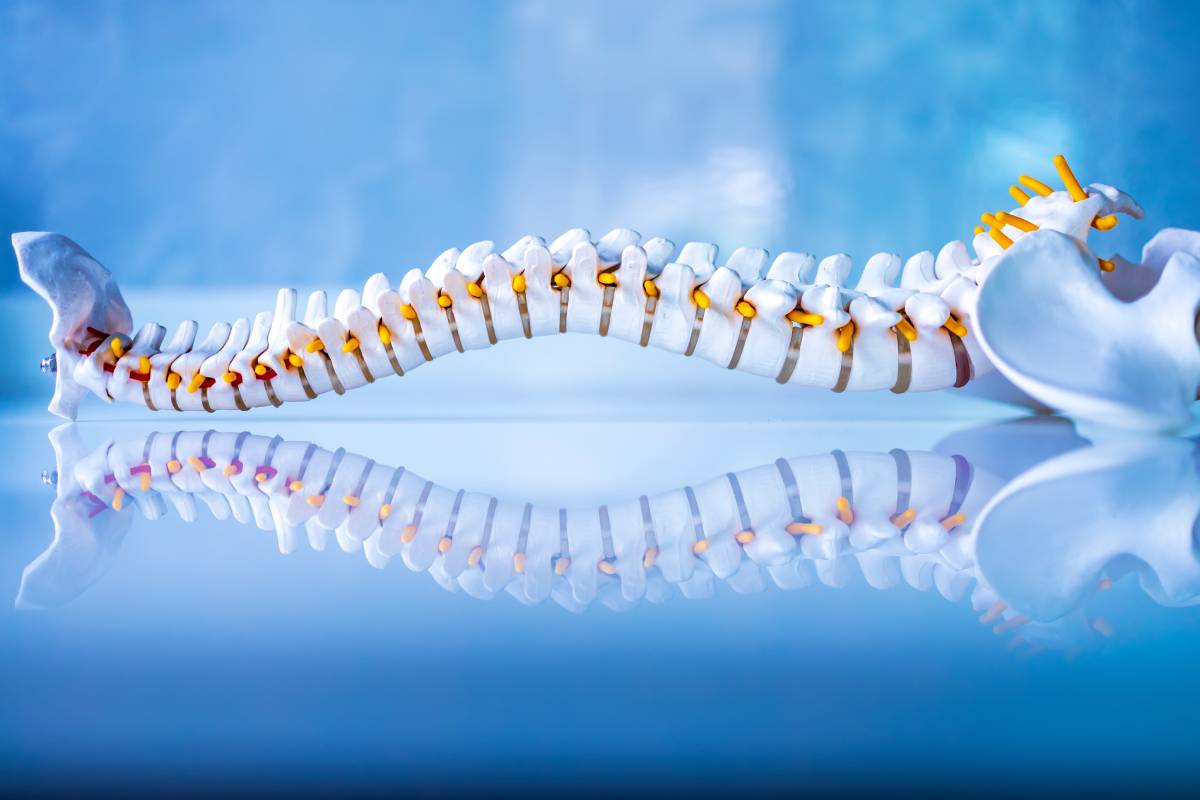
- Successful Results
Why It's Done
What Can DRG Stimulation Treat?
- Chronic Hip/Pelvic Pain After Surgery
- Chronic Post-surgical Knee Pain
- Discogenic Pain Due to Degenerative Disc Disease
- Failed Back Surgery Syndrome
- Ankle/Foot Pain After Surgery
- Groin Pain After a Hernia Repair (Postherniorrhaphy Neuralgia)
- Lumbar Radiculopathy
- Lumbar Stenosis
- Nerve Injury
- Neuropathic Pain Due to Peripheral Neuropathy
Take the First Step to Relief – Schedule Now!

- DRGS
A Pain Management Technique
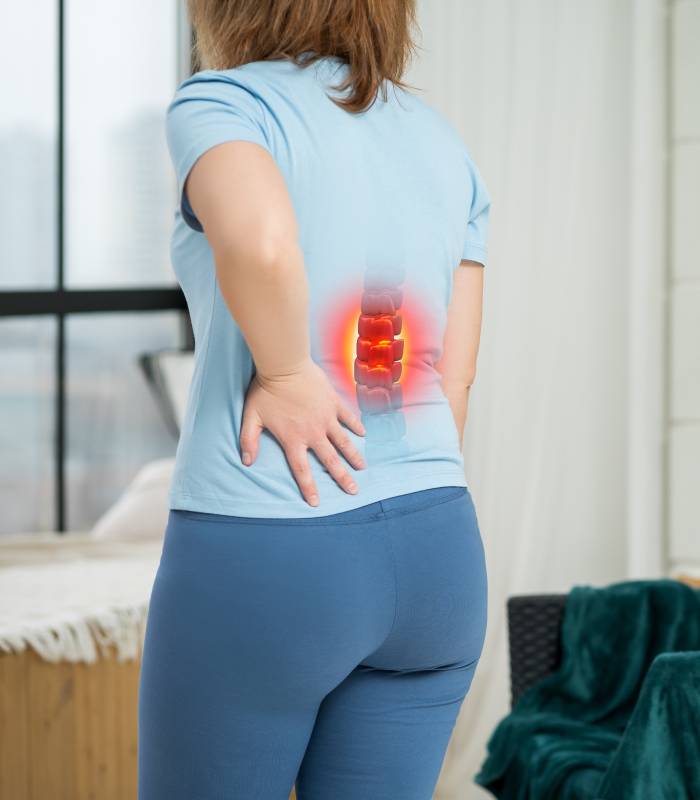
- A Pain Management Technique
How It Works ?
- Generator: A small device implanted in your body that emit mild electrical pulses.
- Leads: Thin insulated wires that transmit electrical pulses from the generator to the dorsal root ganglia.
- Patient Controller: A handheld remote that allows you to adjust the intensity and location of stimulation or turn it off.
- Successful Results
Recovery and Outlook
- Patients typically return home the same day or the day after trial stimulator lead implantation.
- Full recovery from the permanent generator implantation may take four to six weeks, during which physical activity should be limited.
- Regular follow-ups are essential to adjust stimulation settings and monitor progress.
Components of DRG Stimulation:
- Early Phase: Infection, bleeding, electrode displacement, connection issues, battery malfunctions.
- Late Phase: Loss of stimulation effect, infections, electrode breakage, cable break, battery malfunctions.

- FAQs
Frequently Asked Questions
DRG stimulation has demonstrated high success rates, particularly for patients with lower extremity pain that has not responded to other treatments.
The procedure typically takes one to two hours and is usually performed on an outpatient basis.
Many insurance plans cover DRG stimulation for chronic pain management, but it’s important to verify specific coverage details with your provider.
Schedule an Appointment
For more detailed information and personalized consultation, please visit Chicago Neuro Pain.
