 6145 N Northwest Hwy
Neuropathic Pain

- Describing Neuropathic Pain
What Does Neuropathic Pain Feel Like?
Neuropathic pain results from damage to nervous tissue, leading to distinct and often chronic form of pain. Unlike typical pain, neuropathic pain travels through neural pathways and can be challenging to manage. At the Chicago Institute for Neuropathic Pain (CINP), we specialize in diagnosing and treating this complex condition using a combination of advanced techniques and personalized care.
- Causes
Causes of Neuropathic Pain
Diabetes
High blood sugar damages nerves, leading to diabetic neuropathy.
Autoimmune Diseases
Inflammatory conditions like lupus and rheumatoid arthritis can harm nerves.
Infections or Viruses
Diseases such as shingles, Lyme disease, and hepatitis C can damage nerves.
Metabolic Syndrome
High blood pressure and high cholesterol increase the risk of neuropathy.
Alcoholism
Excessive alcohol consumption damages nerves.
Chemotherapy
Certain cancer treatments can cause neuropathy.
Ready to find relief from neuropathic pain?
New patients are typically seen the same day or the next business day.

- Symptoms
Symptoms of Neuropathy Pain
Sensory Nerves:
Numbness, tingling, and pain are common when sensory nerves are affected.
Motor Nerves:
Muscle weakness and impaired movement can result from motor nerve damage.
Autonomic Nerves:
Irregular heart rate, digestive issues, and abnormal sweating can occur when autonomic nerves are affected.
- Treatment Options
Advanced Treatment Options
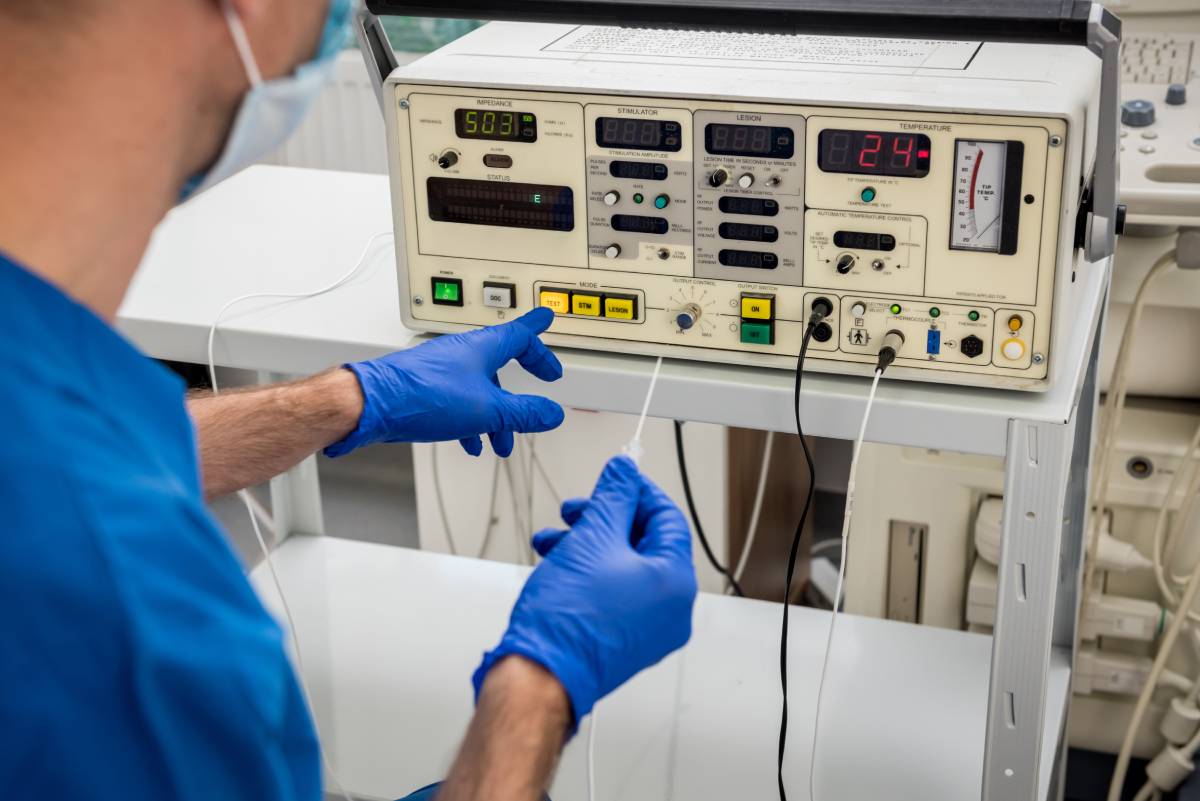
- Spinal Cord Stimulation (SCS) Gentle electrical pulses to the spinal cord to override or “mask” misfiring pain signals before they reach the brain.
- Nerve Blocks Injecting local anesthetic (sometimes with steroid) around a targeted nerve or nerve cluster to temporarily halt pain transmission from the source of pain.
- Medication Management Since neuropathic pain presents itself in a variety of ways, different combinations of medication may be the right approach to managing this type of pain. Our physicians can help you with this evaluation and decision making process.
Explore advanced treatment options for neuropathic pain
- FAQs
Frequently Asked Questions
Neuropathic pain is a chronic pain condition caused by nerve damage, resulting in symptoms such as numbness, tingling, and severe discomfort.
Neuropathic pain can result from various conditions, including diabetes, autoimmune diseases, infections, metabolic syndrome, alcoholism, and chemotherapy.
While neuropathic pain may not always be completely cured, it can be effectively managed with the right treatment plan.
At CINP, we provide advanced treatments, including spinal cord stimulation, nerve blocks, and medication management to address your specific needs.
Diagnosing neuropathic pain typically involves a physical examination, medical history review, and tests such as EMG, MRI, or nerve conduction studies.
